
Stay warm and save energy
One of the top insulation companies in the DMV — keeping homes comfortable and efficient since 2006.

Recognized
A six-time ENERGY STAR® Contractor of the Year.
We've completed thousands of insulation projects since 2006 — all with a satisfaction guarantee.

ENERGY STAR® Contractor of the Year
Our work
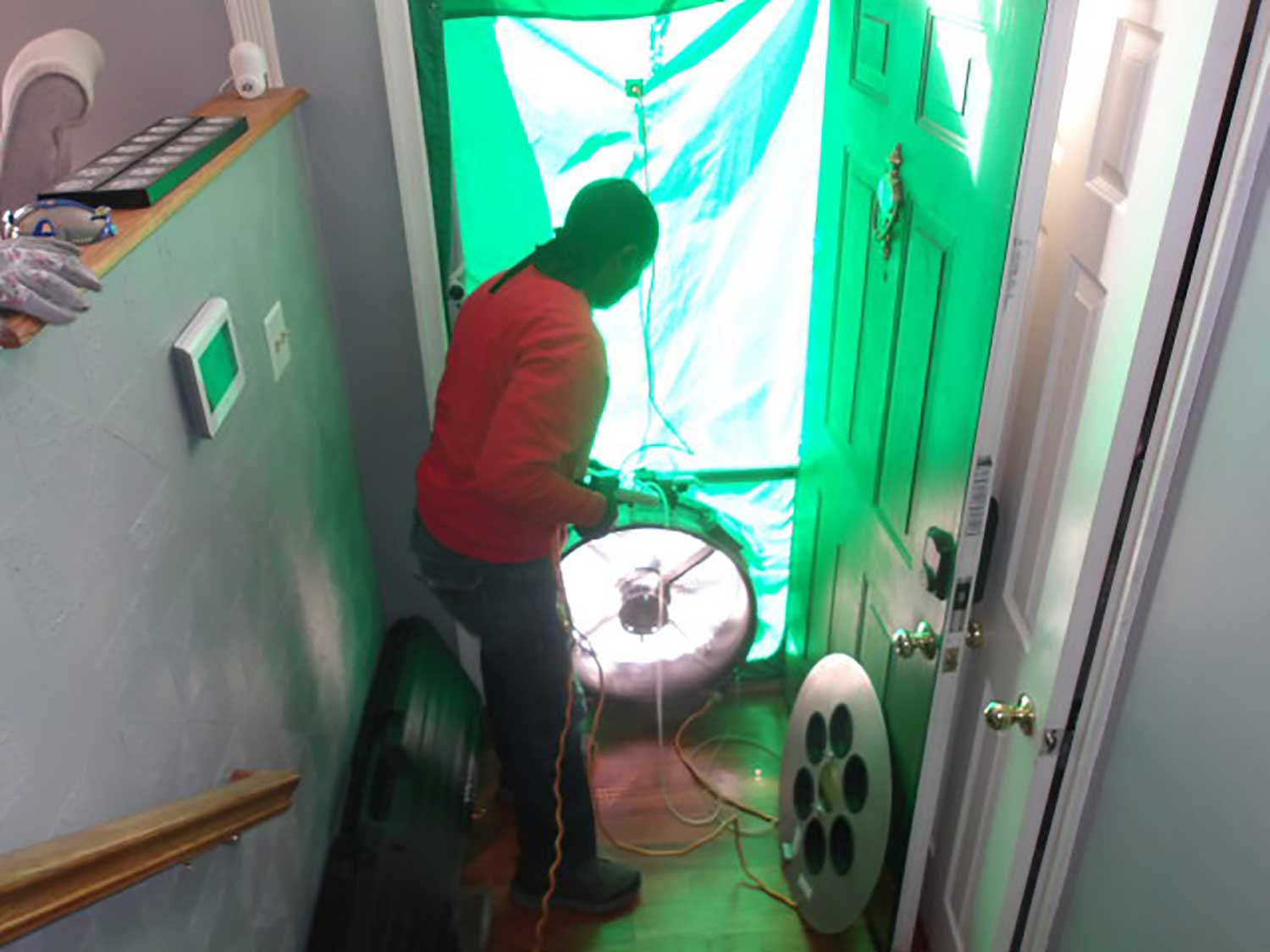
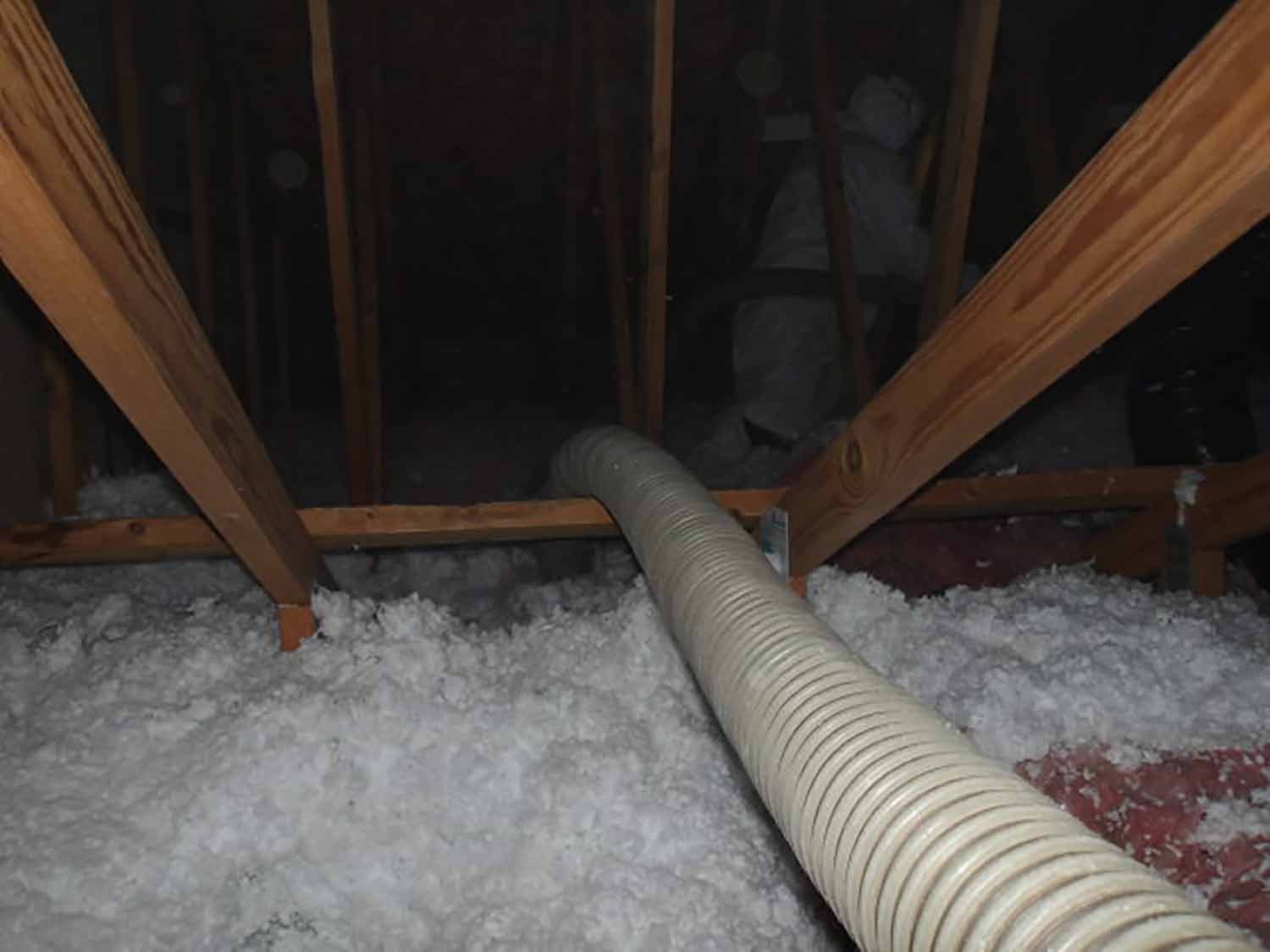
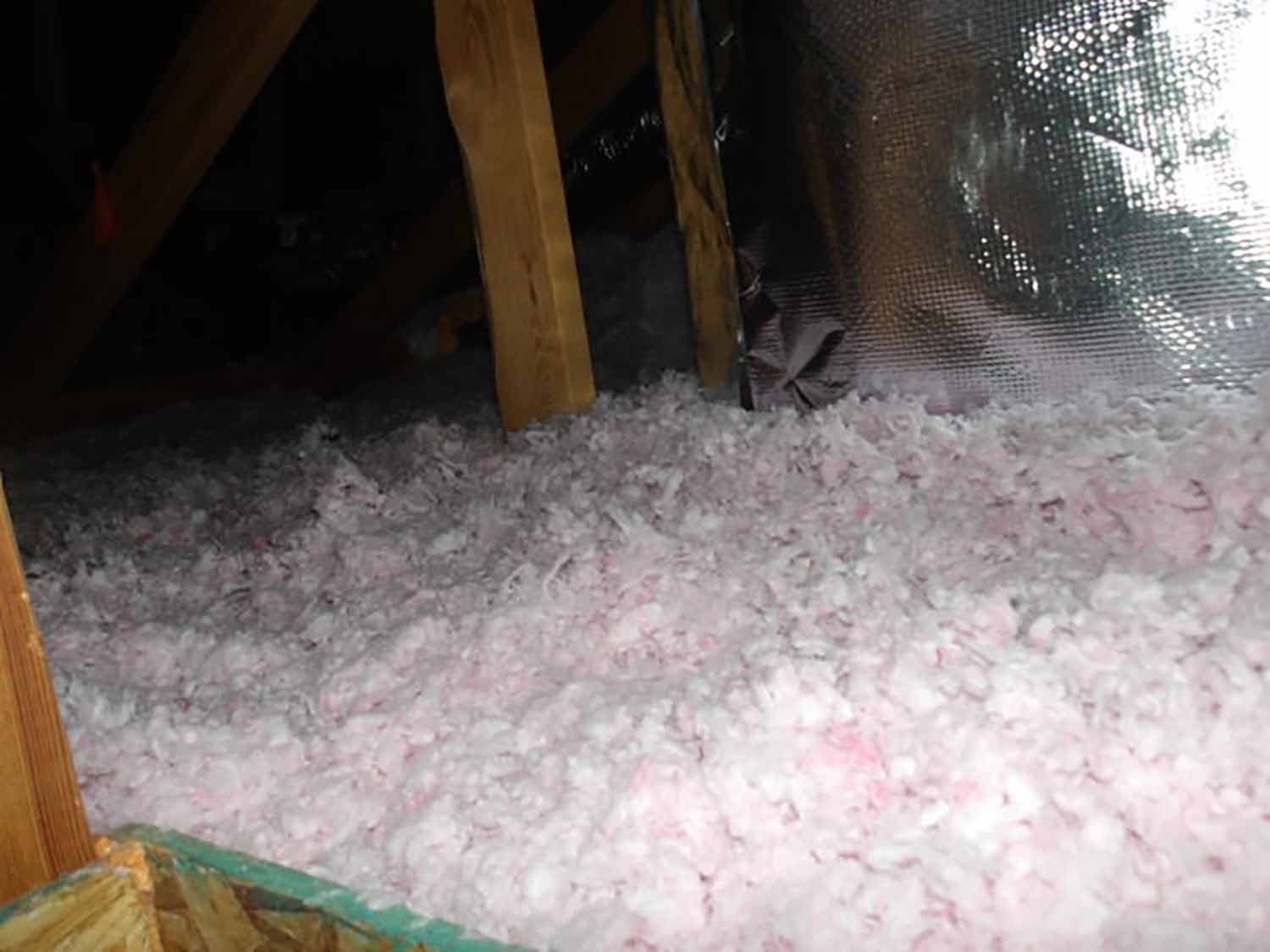
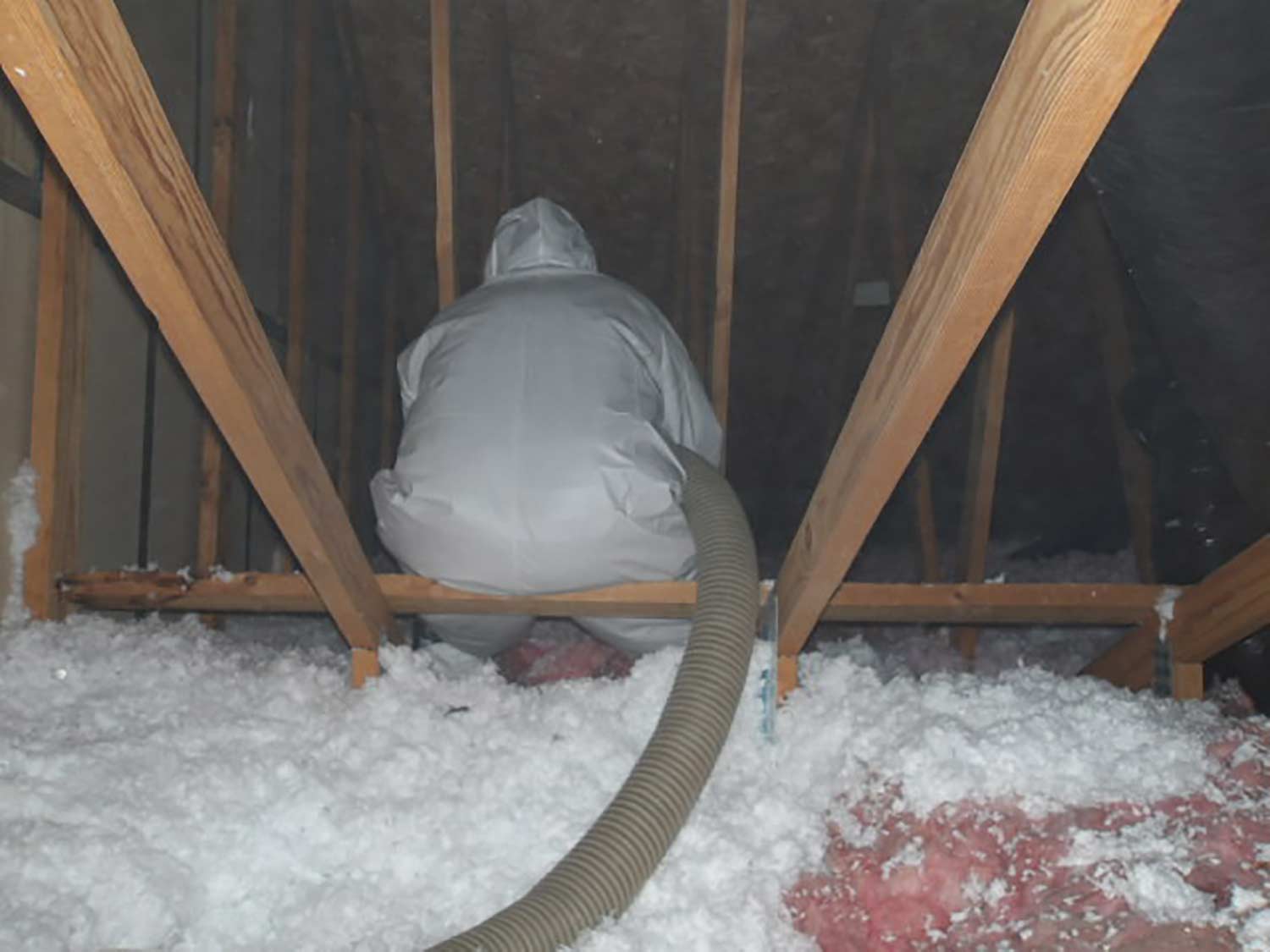
More Photos of the Team at Work




About EDGE
Built on Experience
EDGE air-seals and insulates homes across the DMV with in-house crews and a standard that has earned homeowner trust for two decades.
20+
Years strong
5,000+
Projects since 2006
100%
Satisfaction guaranteed
Why choose us
Why Homeowners Choose EDGE

Proven Experience
Two decades of compliant, reliable solar, HVAC, and home-energy projects.

In-House Expertise
Design, installation, and service handled by EDGE employees — no subcontractor roulette.

Built the Right Way
Engineered for performance, longevity, and code compliance from day one.

Accountability After Install
We service what we install and stand behind the work long after the project is complete.
What it's like to work with EDGE
How We Cut Kadir's Bills by 21%
When we arrived, we found Kadir had little insulation and a gaping hole in his attic.
By sealing the big hole — plus lots of little ones — and adding insulation, we cut Kadir's energy waste by 21%.
The best part? We helped Kadir secure rebates that covered the entire cost of the project.
Got Questions About Insulation?
Talk to a real EDGE crew — insulation & air sealing, done right.
Testimonials
Two Decades of Homeowner Trust

"Edge Energy was exceptionally professional and caring. Great communication and excellent support throughout our home-efficiency projects. Thanks so much for taking care of all my needs in a timely, friendly fashion."
CATHY Seissler
Maryland / D.C.
"Edge Energy recently completed a home assessment and I had a wonderful experience. Derek was extremely kind, professional, and thorough. I feel confident they will do an excellent job. Highly recommend!"
Gianna
Maryland / D.C.
"I recently had a brand-new HVAC system installed and the entire experience was outstanding from start to finish. Punctual, professional, knowledgeable — and the customer service really stood out."
Marie Barnett
Maryland / D.C.
Our teams are ready to help!
Technical & Sales Support teams are standing by.
FAQ
Frequently Asked Questions
Insulation, air sealing, R-values, and what to expect from the process.
How do I know if my home needs more insulation?
A few clear signs your home is under-insulated:Rooms that never reach a comfortable temperature, or feel drafty with the HVAC runningHigher-than-expected heating and cooling billsCold floors, walls, or ceilings in winter — and hot upstairs rooms in summerIce dams or heavy icicles at the eaves in winterAn attic where you can see the floor joists above the insulation, or insulation that's thin, matted, or unevenly spreadHere in the DMV (climate zone 4), the U.S. Department of Energy recommends roughly R-49 to R-60 in the attic — many older homes have far less. The most reliable way to know is a home energy audit, where we measure your current levels and show you exactly where you're losing energy.
Why are some rooms in my house hotter or colder than others?
Uneven temperatures usually come down to where your home is losing — or unevenly holding — conditioned air. Common culprits:Gaps or thin spots in the insulation, especially in the attic and over additions, bonus rooms, or rooms above the garageAir leaks around recessed lights, attic hatches, wiring, and top platesLong or leaky duct runs that lose air before it reaches far roomsSingle-pane or aging windowsAdding insulation and air sealing the leaks together is what evens out those room-to-room swings — insulation alone won't fix it if air is still leaking.
What's the difference between insulation and air sealing?
They solve two different problems and work best together:Insulation slows heat moving through your walls, floors, and ceiling — a blanket that resists conductive heat transfer.Air sealing stops the actual leakage of air through gaps and cracks — around the attic hatch, recessed lights, top plates, rim joists, and plumbing penetrations.You can have plenty of insulation and still be uncomfortable if air is leaking around it — moving air drags an insulation's R-value down. That's why we typically air seal first, then insulate, so the insulation can actually do its job.
How do spray foam, cellulose, and fiberglass insulation compare?
Each has a place; the right choice depends on the area, your budget, and your goals:Fiberglass (batts or blown-in): most budget-friendly, roughly R-2.9–3.8 per inch. Great value in open attics, but it doesn't stop air movement on its own.Cellulose (dense-packed recycled fiber): about R-3.2–3.8 per inch, and it fills around obstructions and resists air movement better than fiberglass.Spray foam (open- or closed-cell): the highest performance — closed-cell is around R-6.5 per inch and air-seals and insulates in one step. Ideal for rim joists, cathedral ceilings, and tricky cavities, at a higher cost.On most jobs we recommend a mix — for example, air sealing plus blown cellulose or fiberglass in the attic, and spray foam where both air sealing and high R-value matter most.
Do I need my energy audit before upgrading my installation?
It's not strictly required, but it's usually worth it. A home energy audit — often with a blower-door test and thermal imaging — shows exactly where your home is losing energy, so we insulate the spots that actually move the needle instead of guessing. It also documents your home's baseline, which is frequently what qualifies you for utility rebates and incentives. If you have an obvious deficit like a bare attic, we can go straight to the work — but for most homes the audit pays for itself in better results and available rebates.
Will installing insulation help prevent ice dams in the winter?
Yes — it's one of the most effective fixes. Ice dams form when heat escaping into your attic melts the snow on your roof; that meltwater runs to the cold eaves and refreezes, building a dam that backs water up under your shingles. By air sealing the leaks and adding attic insulation, you keep the attic close to the outside temperature, so the roof stays cold and snow melts evenly instead of refreezing at the edges. Paired with proper attic ventilation, insulation + air sealing is the long-term solution to recurring ice dams.
How disruptive is the process of adding insulations?
For most homes, not very. A typical attic insulation and air-sealing job is completed in a single day. Our crew works primarily in the attic or the targeted area, lays down protection over your floors and belongings, and cleans up before leaving — you can stay home and go about your day. If we're dense-packing existing walls, that involves small access holes that we patch when we're done. There's no major demolition or construction for a standard insulation retrofit.